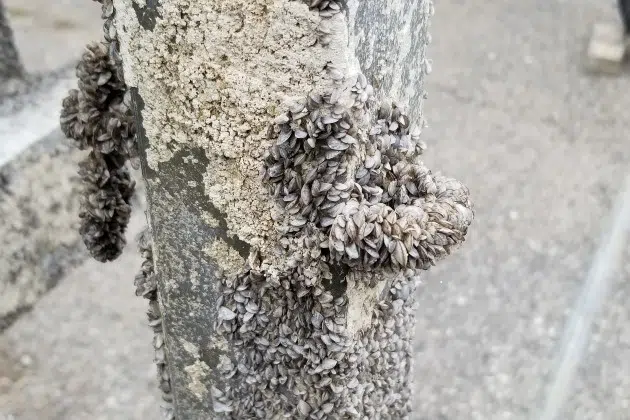
Minnesota lake associations have significantly cut down the spread of aquatic invasive species wreaking havoc on their waterways but they fear momentum will slip out of their hands when looking ahead to state funding changes.
Since 2014, the state has provided $10 million each year for counties to work with local partners on preventing new infestations of disruptive water-dwelling organisms like zebra mussels.
Steve Henry, aquatic invasive species lake technician for Cass County, said when measuring the aid’s effectiveness, the numbers do not lie.
“Prior to this money coming out, we were seeing zebra mussels spread at a rate of about 40% a year,” Henry recounted. “It was really leaping and bounding, and since then, we’ve seen it drop down to about a rate of 6%.”
Local entities use the state aid for things like hiring boat inspectors at lake entrance ramps. In July of 2027, funding is scheduled to decrease by 50%, and Henry warns infestations will pick up after years of slowing down. The decision stemmed from talks last year amid state budget deficits on the horizon. Advocates said going ahead with the spending reduction will be much more costly for lake ecology and Minnesota’s outdoors economy.
Tim Thoele, aquatic invasive species committee chair for the Gull Chain of Lakes Association, said as local groups budget for the funding loss, he worries smaller lake associations with fewer paying members will have fewer resources for prevention. He pointed out losing a line of defense at one lake could spell trouble for other locations.
“It just takes one person that didn’t empty their live well (in a fishing boat) that has zebra mussel larvae in there,” Thoele explained. “That’s all it takes to get a new aquatic invasive species.”
He added the concerns apply to other watercraft, like wake boats. Local partners worry about losing progress in convincing boat owners to be mindful of spraying down their boats at cleaning stations. The Minnesota Aquatic Invasive Species Research Center said less than 10% of Minnesota lakes at risk of an aquatic invasive species invasion are infested, which suggests the majority of potential spreads have not happened yet.
___
Copyright © 2026 Leighton Media. All rights reserved. This material may not be broadcast, published, redistributed, or rewritten, in any way without consent.


FOLLOW US FOR INSTANT UPDATES!


FOLLOW US FOR INSTANT UPDATES!