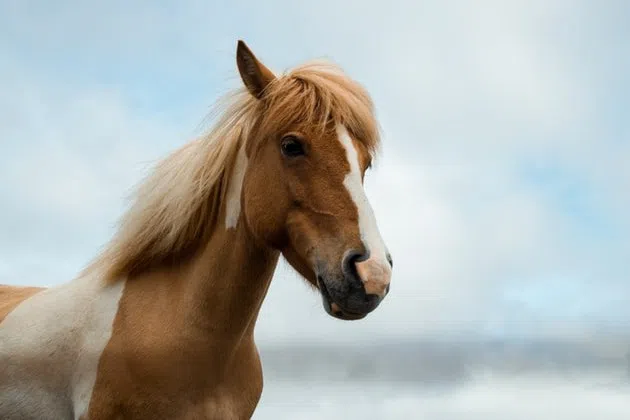
(KNSI) – The Minnesota Board of Animal Health has confirmed the state’s first case of West Nile virus in a horse this year.
The animal is a three-year-old standardbred gelding in Polk County that had not been vaccinated against the disease. The board says the horse is recovering with supportive treatment from its veterinarian.
The infection turned up during a routine neurological exam, when the horse showed moderate weakness, a loss of muscle coordination and fell down. Its veterinarian started the animal on steroids, and it began improving within a few days.
“Late summer is the typical highpoint of WNV season in Minnesota,” said Dr. Heather Damico, the senior veterinarian who leads the board’s equine program. “Birds carry the disease and mosquitos can contract it from birds and spread it to horses. Unfortunately, almost all cases of WNV we’ve seen in Minnesota affect unvaccinated or under-vaccinated horses.”
Birds are the primary host of West Nile virus, which circulates between infected birds and mosquitoes. Once infected, a mosquito can pass the virus to horses or people. Infected horses cannot spread it to people or to other horses.
The virus can cause inflammation of the brain and spinal cord. Horses with mild infections may show no neurological symptoms at all and can recover completely, particularly those with a history of annual vaccination. Severely affected horses can be left with lifelong effects or a poor prognosis that leads to euthanasia.
The mosquito species that carry the disease are most active in July and August, which is when Minnesota tends to see the bulk of its cases. West Nile virus is preventable with routine vaccination.
Beyond vaccinating, the board says horse owners can cut down mosquito populations around their property by changing the water in drinking troughs every week, mowing long grass, draining stagnant puddles and getting rid of items mosquitoes breed in, such as old tires and tin cans. Owners are also encouraged to install and maintain screens over windows and stable doors and to use mosquito repellents on horses and people.
___
Copyright © 2026 Leighton Media. All rights reserved. This material may not be broadcast, published, redistributed, or rewritten, in any way without consent.





FOLLOW US FOR INSTANT UPDATES!


FOLLOW US FOR INSTANT UPDATES!