(KNSI) – A U.S. House Oversight Committee report released Monday accuses Minnesota Governor Tim Walz and Attorney General Keith Ellison of allowing billions of dollars in taxpayer fraud to flourish in federally funded social service programs despite being warned about it as early as 2019.
The 205-page report, produced by the Republican-led committee’s majority staff, focuses on two main fraud areas: an estimated $300 million lost through the Feeding Our Future scam, and potentially $9 billion in Medicaid-related funds lost across 14 state programs the Department of Justice has designated high-risk.
Red Flags and Ignored Warnings
The committee says state officials were aware of red flags at Feeding Our Future as early as April 2020 but continued payments voluntarily, not under any court order, for nearly two more years, until the FBI executed a search warrant at the nonprofit’s offices in January 2022. Federal prosecutors have since charged dozens of defendants in connection with the scheme, which involved submitting fake invoices claiming thousands of meals were served to children that were never provided. Fraudsters allegedly used the money on luxury cars, real estate, and foreign accounts.
The Feeding Our Future ringleader, Aimee Bock, was convicted at trial of conspiracy, wire fraud, and bribery and sentenced last month to more than 40 years in prison. Her co-defendant, Abdiaziz Farah, was sentenced to 28 years in prison last August.
Broader Fraud Concerns
The report also details long-running fraud in Minnesota’s Child Care Assistance Program, with a whistleblower saying suspicious cases date back more than a decade, and allegations that some of the diverted money funded terrorist networks overseas. The committee focused additional scrutiny on four high-risk Medicaid programs, including Housing Stabilization Services, an autism services benefit, integrated community supports, and non-emergency medical transportation, where the Department of Justice estimates $9 billion in federal dollars has been lost to fraud since 2018.
Last month, federal prosecutors unveiled the Minnesota Health Care Fraud Takedown, calling it the largest Medicaid autism fraud case ever charged by the department. Acting Attorney General Todd Blanche said the cases are “just the tip of the iceberg.”
Why Payments Continued Despite Fraud Concerns
Among the findings, state officials cited fear of discrimination lawsuits, not legal barriers or direction from law enforcement, as the reason they kept money flowing to suspected fraudulent providers. The FBI never directed Minnesota officials to continue payments to Feeding Our Future or other suspected fraudulent providers, the committee says. The report also alleges the Walz administration retaliated against employees who raised fraud concerns, including through intimidation and surveillance threats, while senior officials focused on managing political and media fallout rather than addressing the fraud itself.
Walz and Ellison, both Democrats, were interviewed by the committee. The report says neither provided sufficient answers about when the state became aware of the fraud or what steps were taken to protect taxpayer funds. Governor Walz’s office produced only 48 documents totaling 177 pages in response to the committee’s document requests. Attorney General Ellison’s office produced just 11 documents.
Federal Response
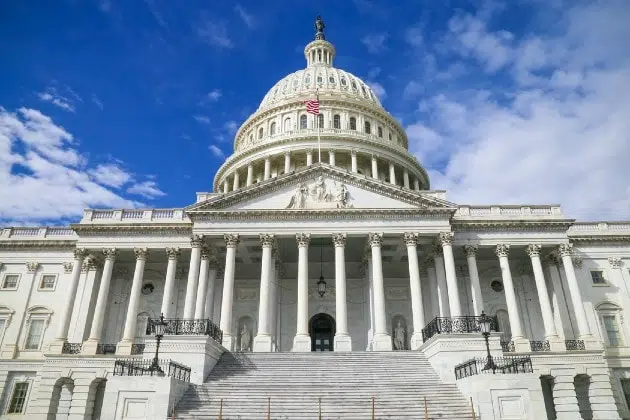
Committee Chairman James Comer, R-Ky., called it “one of the most stunning oversight failures this committee has ever examined” and has asked Vice President JD Vance to direct the White House anti-fraud task force to conduct a full review of Minnesota’s social services programs. The House is also expected to consider ten Oversight Committee bills this week aimed at combating fraud in federal programs. The Government Accountability Office estimates between $233 billion and $521 billion is lost to fraud annually nationwide.
Neither Walz nor Ellison has commented on the report.
___
During the last legislative session, Minnesota lawmakers passed, and the governor signed, landmark anti-fraud legislation creating an Office of Inspector General. The office will be a new independent watchdog agency with sweeping authority to investigate fraud and establishes a Legislative Inspector General Advisory Commission to select candidates to lead the agency in an effort to keep it free from political influence.
___
Copyright © 2026 Leighton Media. All rights reserved. This material may not be broadcast, published, redistributed, or rewritten, in any way without consent.



FOLLOW US FOR INSTANT UPDATES!


FOLLOW US FOR INSTANT UPDATES!