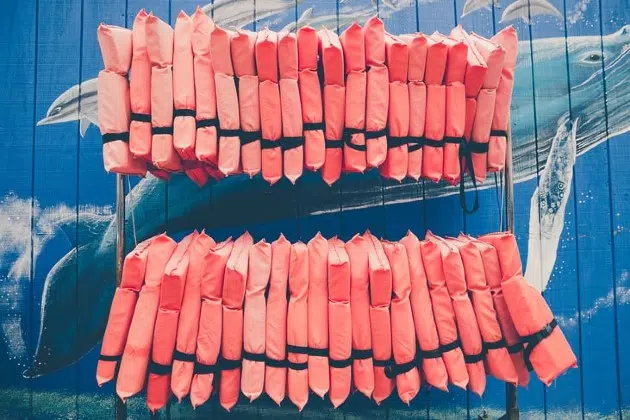
(KNSI) — As anglers, boaters, and paddlers get ready for the fishing season, the Minnesota Department of Natural Resources says safety must be made a priority.
One in three fatal boating accidents occurs during the cold water period, often involving victims who weren’t wearing life jackets. State law says boats must have one lifejacket aboard for each person. Lifejackets don’t work if they’re not worn, and anyone under the age of ten must wear one at all times.
DNR Conservation Officer Mike Martin tells KNSI water temps are in the mid 40s right now, and “that starts sucking the life out of you pretty fast.” Even strong swimmers can be quickly incapacitated by cold water. Rapid cooling of limbs impairs the ability to keep the head above water, regardless of swimming ability.
Within the first two minutes, panic sets in, and so will the gasping response, which can lead to hyperventilation. Remember to get breathing under control, assess the situation and make a plan. If possible, stay with the boat. Even capsized boats will still float, and a boat is easier to spot.
Another tip Martin mentions is that some people may be a bit rusty when it comes to backing a trailer down the ramp, so be patient and if someone has skills that need sharpening, “this weekend would be an excellent opportunity to pull your boat to the access, do a couple laps, back it in full into a parking spot. Just do a little bit of practice. It’ll make your [opener] weekend much more pleasant if you’re comfortable with what you’re doing. And it’ll certainly relieve tension that the public water access if you’re efficient in what you’re doing, and make everyone’s day is much more enjoyable.”
Martin adds, just like with hunting, share your location. Tell someone where you’re going and when you plan to return.
Other tips from the DNR include:
Buy a 2024 fishing license and make sure it’s with the license holder.
Ensure watercraft are registered and equipped with proper safety gear.
Distribute weight evenly and adhere to manufacturers’ weight limits.
Use the engine cut-off device if the watercraft is equipped with one.
Stay informed about weather conditions.
Once the boat comes out of the water, the DNR says to remember to clean, drain, and dry to prevent the spread of aquatic invasive species.
___
Copyright 2024 Leighton Media. All rights reserved. This material may not be broadcast, published, redistributed, or rewritten, in any way without consent.




FOLLOW US FOR INSTANT UPDATES!


FOLLOW US FOR INSTANT UPDATES!